



From 2023 Extended Producer Responsibility (EPR) tax comes into force which will mean plastic packaging producers having to bear the full net cost recovery of all the plastic packaging they produce and place on the market.
EPR will affect different businesses in different ways, with the government proposing six categories:
Businesses in the new EPR system will no longer have to provide evidence of recycling based upon tonnage as the tax will now cover the total net cost of:
And while the full costs and minute details of EPR are to be announced shortly, what we do know is that 30% of plastic packaging placed on the market by a producer will have to contain recycled content.
The government has announced the charge will be set at £200 per tonne for plastic packaging that contains less than 30% of recycled content. This cost is then likely to be passed onto the business customers of the producers and then onto the actual customers themselves.
However, this new legislation’s total costs and implications are set to be announced later in 2021.
Once EPR is implemented, further measures are likely to be introduced over the next few years, like the Deposit Return Scheme (DRS).
One of the key measures of EPR will be the introduction of the DPR scheme which will increase the capture of recyclable drinks containers, like:
Consumers will be able to pay a small deposit on all the above and then get a refund by handing them in at a retailer return point or a reverse vending machine. The full details of how the DRS will work is still under discussion, including the size and capacity of the containers that should be part of the scheme.
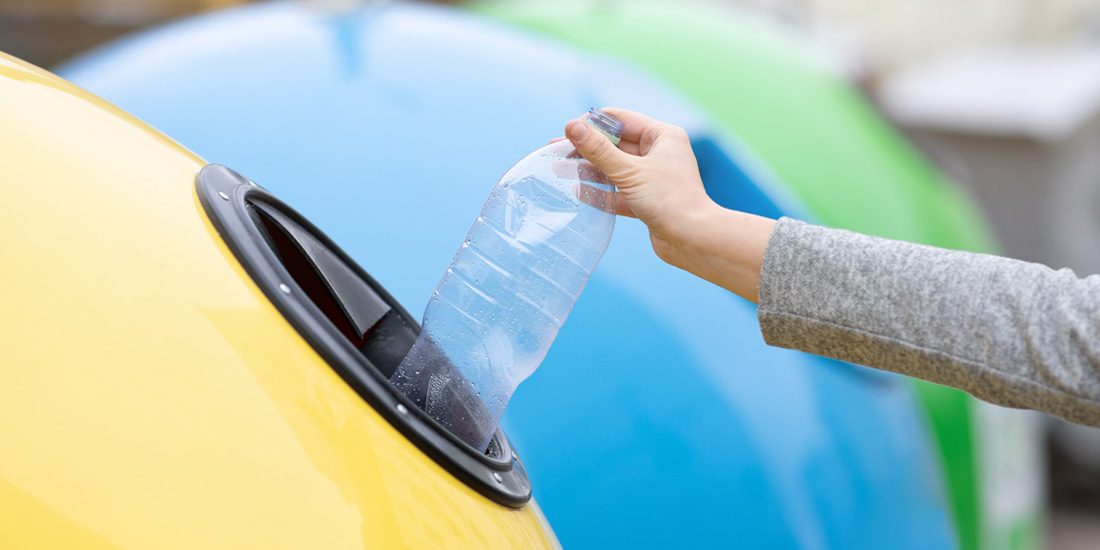
However, it’s hoped the DRS scheme will be implemented in England in 2024 and Scotland by the end of 2022.
Although the full details of what EPR will entail are yet to be announced, there are a few things you can do to get ready for it, including:
Or by keeping an eye on future announcements on the Certified Sustainable blog.
And it also means there’ll be no nasty surprises and extra work down the line.
By looking into how you can use more recycled or biodegradable materials in your product packaging, not only are you going to reduce your carbon footprint, but you’re also going to save yourself a lot of money in EPR tax.
One of the best things business leaders can do is talk to Certified Sustainable.
Why?
Because we produce comprehensive Sustainability Impact Reports detailing the environmental impact of the day-to-day operations of businesses. We then develop technical solutions and real-world strategies that make a business measurably more sustainable.
No fluff. No PR gimmickry. Just real-world change.


